Fact sheet
Ducklings have fallen into a storm drain
A classic spring situation, and a race against the clock while the mother waits right beside it.
Every spring, mallards nest in yards, parking lots and medians, sometimes far from any water. When the brood follows its mother toward water, storm drains are the deadliest trap on the route.
The good news: the mother almost always stays nearby, sometimes for hours. As long as she is there, reunification is possible, and it is by far the best outcome.
What to do
- Locate the mother and do not scare her off: without her, the ducklings must be raised in a rehabilitation centre.
- Count the ducklings you can see or hear in the drain.
- Block traffic around the drain if it is safe to do so.
- Call straight away: every hour counts, and water can rise if it rains.
- Stay on site until the team arrives so you keep the mother in sight.
What to avoid
- Lifting a storm drain grate alone: they often weigh more than thirty kilos and can crush a hand.
- Climbing down into a catch basin: these are confined spaces, sometimes with no breathable air.
- Chasing the mother away to clear the area.
- Taking the ducklings home to raise them: it is illegal and their survival rate collapses.
How this kind of call ends
A team opens the grate with the right tools, nets the ducklings out, then sets them down in an open box a few metres from the mother. In the great majority of cases she calls them back and the family heads off to water together. This is the kind of call that ends well.
Who do I call when ducklings fall into a storm drain?
Call an animal rescue service equipped to open a grate and work in confined spaces, without waiting. Do not lift the grate yourself and never chase the mother away: as long as she is nearby, the ducklings can be returned to her and leave with her.
When to call us
- As soon as you see them fall, without waiting.
- If the ducklings are in a catch basin, a pond, a pool or behind a fence.
- If the mother has been struck by a vehicle.
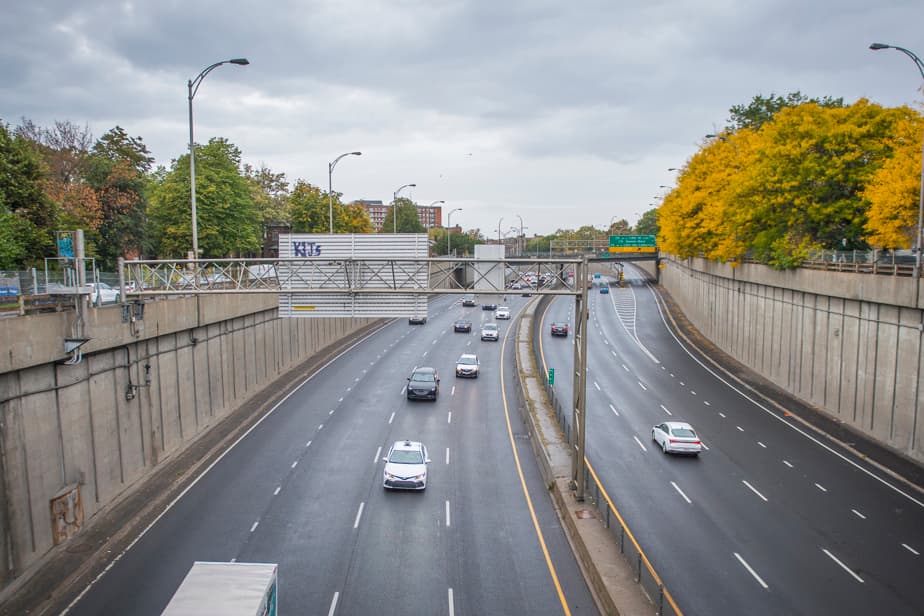
- If a brood is crossing a highway.